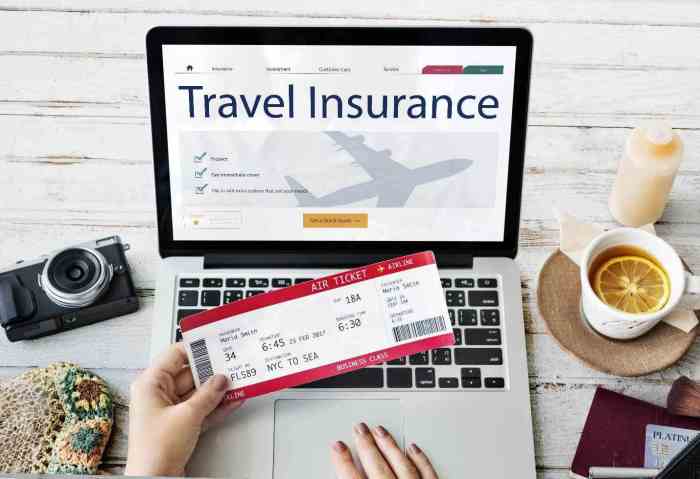
Navigating the complexities of frequent travel, whether for business or leisure, requires careful consideration of unforeseen circumstances. This guide delves into the crucial role of travel insurance, specifically tailored to the unique needs of frequent flyers and business travelers. We’ll explore the essential features to look for in a comprehensive policy, providing insights into coverage options, claim processes, and strategies for maximizing your travel experience while minimizing risks.
From comparing leading providers and understanding policy nuances to mastering travel hacks and optimizing your itinerary, we aim to equip you with the knowledge necessary to make informed decisions and enjoy seamless, worry-free journeys. This detailed exploration will cover everything from securing the right insurance to navigating airport procedures and even capturing stunning travel photographs. We will also touch upon essential aspects such as visa requirements and managing the demands of frequent travel.
Best Travel Insurance Features for Frequent Flyers and Business Travelers
Frequent flyers and business travelers face unique risks compared to casual tourists. Their extensive travel schedules necessitate comprehensive travel insurance that goes beyond basic coverage. This section will explore key features to consider and compare coverage options from leading providers.
Comparison of Travel Insurance Providers
Choosing the right travel insurance can be daunting given the variety of options. To simplify this, we’ll compare three leading providers, focusing on features relevant to frequent flyers and business travelers. Note that specific coverage details and premiums can vary based on factors such as destination, trip duration, and individual circumstances. Always refer to the provider’s policy wording for precise details.
| Provider | Coverage Highlights | Premium Range (Example) | Exclusions |
|---|---|---|---|
| Provider A (Example: Allianz Global Assistance) | Comprehensive medical coverage, including emergency medical evacuation; trip cancellation/interruption; baggage loss/delay; 24/7 assistance; business trip-specific add-ons (e.g., lost documents, missed meetings) | $100 – $500 per trip (depending on coverage level and destination) | Pre-existing conditions (unless specifically covered with add-on), reckless behavior, participation in hazardous activities (unless specified), war or terrorism (unless specified) |
| Provider B (Example: World Nomads) | Strong focus on adventure activities coverage; medical evacuation; trip cancellation/interruption; gear coverage; 24/7 assistance; various add-on options for business travelers; good value for frequent travelers. | $50 – $300 per trip (depending on coverage level and destination) | Pre-existing conditions (unless specifically covered with add-on), participation in extreme sports (unless specified), acts of God (unless specified), self-inflicted injuries |
| Provider C (Example: Travel Guard) | Comprehensive coverage for various travel needs, including business trip-specific options; medical evacuation; trip cancellation/interruption; baggage loss/delay; 24/7 assistance; various coverage levels and add-ons | $75 – $400 per trip (depending on coverage level and destination) | Pre-existing conditions (unless specifically covered with add-on), illegal activities, acts of war, and other standard exclusions. |
Annual Multi-Trip vs. Single-Trip Policies
The choice between annual multi-trip and single-trip policies depends heavily on travel frequency. Single-trip policies cover one specific journey, while annual multi-trip policies provide coverage for numerous trips within a year.For frequent flyers and business travelers, annual multi-trip policies are generally more cost-effective. They offer continuous coverage, eliminating the need to purchase insurance for each individual trip. This simplifies the insurance process, especially for those traveling frequently.
Single-trip policies are suitable for occasional travelers or those with only a few planned trips throughout the year.
Medical Evacuation and Repatriation Coverage for International Business Trips
Medical emergencies abroad can be incredibly expensive and logistically complex. Medical evacuation and repatriation coverage are crucial for international business trips. Medical evacuation covers the cost of transporting an insured person from a foreign location to a suitable medical facility, potentially involving air ambulances. Repatriation covers the cost of returning the insured person’s remains to their home country in case of death.
These provisions can prevent significant financial burdens and ensure access to appropriate medical care, regardless of location. For business travelers, this is especially important as delays due to medical emergencies can have serious implications for business commitments and financial losses.
Checklist of Essential Features for Frequent Business Travel Insurance
Selecting the right travel insurance involves careful consideration of specific needs. The following checklist helps in making an informed decision:
- Comprehensive Medical Coverage: Including emergency medical evacuation and repatriation.
- Trip Cancellation/Interruption Coverage: Covering unforeseen circumstances that necessitate canceling or interrupting a trip.
- Baggage Loss/Delay Coverage: Protecting against the loss or delay of essential business items.
- Business Trip-Specific Add-ons: Such as coverage for lost documents, missed meetings, or business equipment damage.
- 24/7 Assistance Services: Providing immediate support in case of emergencies.
- Pre-existing Condition Coverage (if applicable): Essential for those with known health issues.
- High Coverage Limits: Ensuring sufficient coverage for potential high medical expenses.
- Clear Policy Wording: Understanding the policy’s terms and conditions thoroughly before purchasing.
Travel Tips for Business Travelers
Navigating the demands of business travel requires more than just booking flights and hotels. Success hinges on effective time management, maintaining productivity, and navigating cultural nuances. This section offers practical strategies to optimize your business trips and ensure a smooth, productive experience.
Managing Jet Lag and Maintaining Productivity
Jet lag, the disruption of your body’s natural sleep-wake cycle caused by rapid time zone changes, significantly impacts productivity. Minimizing its effects is crucial for maintaining performance during business trips. Strategies include adjusting your sleep schedule gradually in the days leading up to your departure, staying hydrated throughout the flight, and exposing yourself to sunlight upon arrival to help reset your circadian rhythm.
Prioritizing sleep upon arrival is essential, even if it means missing some planned activities. Scheduling less demanding tasks for the first day also allows for a smoother transition. For example, if you are traveling from New York to London, begin adjusting your sleep schedule a few days prior by gradually shifting your bedtime and wake-up time to align with London time.
Staying Connected and Productive While Traveling Internationally
Maintaining seamless communication and access to essential tools is paramount for productivity during international business travel. Investing in a reliable international data plan or a local SIM card ensures consistent connectivity. Utilizing cloud-based services for document storage and access allows you to work efficiently from anywhere. Furthermore, familiarizing yourself with local communication etiquette and potential language barriers is important to avoid misunderstandings and delays.
For example, confirming the availability of reliable Wi-Fi at your hotel or meeting locations before your trip can prevent frustrating connectivity issues.
Cultural Awareness and Sensitivity in Business Travel
Cultural awareness and sensitivity are crucial for building strong professional relationships and avoiding unintentional offenses. Researching local customs, business etiquette, and social norms before your trip helps to ensure smooth interactions. Being mindful of language barriers and adapting your communication style to the context are key aspects of demonstrating respect. For instance, understanding appropriate greetings, gift-giving customs, and dining etiquette can significantly enhance your business interactions and prevent awkward or offensive situations.
A simple example is learning a few basic phrases in the local language – it shows respect and can foster positive relationships.
Essential Apps and Tools for Business Travelers
Staying organized and productive while traveling requires the right tools. Several apps and tools can significantly improve your travel experience.
- Flight tracking apps (FlightAware, Flightradar24): Monitor flight status in real-time and receive updates on delays or gate changes.
- Translation apps (Google Translate): Facilitate communication in unfamiliar languages.
- Currency converters (XE Currency): Quickly convert currencies and track exchange rates.
- Hotel booking apps (Booking.com, Expedia): Easily find and book accommodations.
- Productivity apps (Evernote, Todoist): Manage tasks, notes, and schedules efficiently.
- VPN services (NordVPN, ExpressVPN): Enhance security and privacy when using public Wi-Fi.
Visa Requirements and Procedures for Business Travelers
Navigating international business travel often involves understanding and complying with the visa requirements of your destination countries. This can be a complex process, varying significantly based on nationality, purpose of travel, and the length of stay. Careful planning and preparation are essential to ensure a smooth and efficient journey.
The Visa Application Process for Various Countries
The visa application process generally involves completing an online application form, providing supporting documentation, paying applicable fees, and attending an interview (in some cases). The specific requirements differ greatly depending on the country. For example, applying for a business visa to the United States typically requires a detailed itinerary, proof of financial stability, and a letter of invitation from a US-based business.
In contrast, applying for a Schengen visa (allowing travel within the Schengen Area in Europe) involves a more centralized application process, focusing on demonstrating sufficient funds and a clear travel plan. Many countries now offer online visa application portals, streamlining the process and reducing wait times. However, it’s crucial to check the specific requirements for each country well in advance of travel.
Required Documentation for Business Travel Visas
The necessary documentation for a business visa varies by country but commonly includes a valid passport, completed application form, passport photos, proof of financial means (bank statements, employment letter), itinerary, and a business invitation letter from the host company or organization. Additional documents may be required, such as proof of travel insurance, a detailed business plan, or evidence of previous travel history.
It’s vital to meticulously gather all necessary documents and ensure they meet the specified requirements to avoid delays or rejection. Obtaining these documents efficiently involves contacting your employer for necessary letters, gathering financial records, and carefully following the instructions provided by the relevant embassy or consulate.
Implications of Visa Denials and Risk Mitigation
A visa denial can significantly disrupt business travel plans, resulting in missed meetings, lost opportunities, and financial losses. Understanding the reasons for denial is crucial. Common causes include insufficient documentation, inconsistencies in the application, or concerns about the applicant’s intentions. Mitigation strategies involve thorough preparation, ensuring all documentation is accurate and complete, and addressing any potential concerns proactively.
If a visa is denied, appealing the decision may be an option, but this requires careful consideration and often involves additional documentation and legal assistance. Consulting with immigration lawyers or visa specialists can significantly improve the chances of success and reduce the risk of denial.
Comparison of Visa Requirements for Short-Term and Long-Term Business Trips
The primary difference between visa requirements for short-term and long-term business trips lies in the duration of stay and the associated documentation. Short-term trips usually require simpler documentation focusing on the purpose and duration of the visit, while long-term trips necessitate more extensive proof of financial stability, accommodation, and potentially, a detailed business plan.
| Feature | Short-Term Business Trip (e.g., under 90 days) | Long-Term Business Trip (e.g., over 90 days) |
|---|---|---|
| Duration of Stay | Typically less than 90 days | Typically more than 90 days |
| Documentation | Passport, application form, invitation letter, itinerary, proof of sufficient funds | Passport, application form, invitation letter, detailed business plan, proof of sufficient funds, accommodation details, potentially health insurance |
| Processing Time | Generally faster | Generally longer |
| Visa Type | Often a shorter-term business visa or a tourist visa (depending on the country) | Usually a specific long-term business visa |
Urban Escapes and Vacation Packages for Business Travelers
The relentless pace of business travel can lead to burnout. Strategic weekend getaways are crucial for maintaining well-being and enhancing productivity. These short escapes offer a chance to de-stress, recharge, and return to work feeling refreshed and invigorated. This section explores how business travelers can leverage urban escapes and vacation packages to achieve this balance.
A Relaxing Weekend Getaway in New York City
This itinerary focuses on relaxation and rejuvenation for a business traveler spending a weekend in New York City. Friday evening could involve checking into a luxurious hotel in Midtown Manhattan, followed by a relaxing dinner at a high-end restaurant with a focus on healthy options. Saturday could be dedicated to exploring Central Park – a leisurely stroll, a picnic lunch, or perhaps a rowboat ride on The Lake.
The afternoon could involve a rejuvenating spa treatment at a reputable hotel spa, followed by a Broadway show in the evening. Sunday could involve a late brunch, some souvenir shopping, and a peaceful walk through a less-touristy neighborhood before heading to the airport. This itinerary balances cultural experiences with opportunities for relaxation and self-care.
Comparison of Vacation Packages for Business Travelers
Several vacation packages cater to business travelers, differing in price, location, and amenities. For instance, a high-end package might include a stay at a five-star hotel in a major European city like London or Paris, offering access to exclusive lounges, concierge services, and complimentary airport transfers. The price would be significantly higher, reflecting the luxury amenities. A mid-range package might involve a stay at a four-star hotel in a city like Chicago or San Francisco, with included breakfast and access to a fitness center.
The price would be more moderate, offering a good balance of comfort and convenience. A budget-friendly option might focus on a comfortable three-star hotel in a vibrant city with good public transport links, such as Amsterdam or Berlin, offering a more affordable yet enjoyable experience. The choice depends on individual budget and preference for amenities.
Finding and Booking Affordable Yet Luxurious Vacation Packages
Finding affordable yet luxurious vacation packages requires strategic planning and research. Websites specializing in travel deals and last-minute bookings can offer significant discounts on high-end hotels and experiences. Travel agents specializing in business travel can also provide valuable insights and negotiate better deals. Consider traveling during the off-season or shoulder season, when prices are typically lower. Utilizing loyalty programs and credit card rewards can also help offset costs.
Flexibility in travel dates can further enhance the chances of finding better deals. By combining these strategies, business travelers can enjoy luxurious escapes without exceeding their budget.
Destinations Ideal for Business and Recreation
Business travelers often seek destinations that blend a professional environment with opportunities for relaxation and recreation. The following cities offer a strong combination of business-friendly infrastructure and recreational activities:
- Singapore: A modern city-state with excellent business facilities and numerous parks, gardens, and cultural attractions.
- Hong Kong: A dynamic hub with efficient transportation, world-class dining, and stunning natural landscapes.
- Dubai: A rapidly developing city with impressive architecture, luxurious hotels, and opportunities for desert adventures.
- Vancouver: A beautiful coastal city with a thriving business sector and access to mountains and ocean activities.
- Amsterdam: A charming city with canals, museums, and a relaxed atmosphere, coupled with good business infrastructure.
Venture Capital and the Travel Industry
Venture capital is significantly reshaping the travel industry, fueling innovation and disrupting traditional business models. The influx of investment is driving the development of cutting-edge technologies, enhancing customer experiences, and creating new opportunities for growth within the sector. This influx of capital is not only transforming existing travel companies but also fostering the emergence of entirely new players.The travel industry’s inherent reliance on technology makes it a fertile ground for venture capital investment.
From booking platforms and personalized travel planning tools to innovative solutions for sustainable tourism and enhanced security measures, a wide range of travel-related startups are attracting significant funding. The potential for high returns, coupled with the ever-growing global travel market, makes it an attractive sector for investors.
Investment Opportunities in Travel Technology
Investment opportunities abound in various segments of travel technology. Startups focusing on artificial intelligence (AI)-powered travel planning, personalized recommendations, and dynamic pricing strategies are attracting considerable attention. Furthermore, companies developing solutions for seamless airport experiences, improved baggage handling, and enhanced security protocols are also experiencing robust investment. The growing emphasis on sustainable tourism is also creating opportunities for startups offering eco-friendly travel options and carbon offsetting solutions.
The potential for disruption in areas like blockchain technology for secure transactions and decentralized travel platforms is also attracting considerable interest.
Current Trends and Future Prospects of Venture Capital Investments in Travel
Currently, the focus of venture capital in the travel industry is shifting towards sustainable and experiential travel. Investors are increasingly prioritizing companies that prioritize environmental responsibility and offer unique, personalized travel experiences. The increasing adoption of mobile technology and the growing importance of data analytics are also driving investment in startups that leverage these technologies to improve the customer journey.
Looking ahead, we can anticipate continued growth in investments focused on AI, machine learning, and blockchain technology within the travel sector. The integration of these technologies will likely lead to further personalization, efficiency, and transparency within the travel experience. Furthermore, the increasing focus on safety and security in the wake of global events will likely lead to more investments in startups offering innovative solutions in these areas.
For example, the increasing adoption of biometric technologies for faster and more secure airport processing is likely to attract further investment.
Successful Travel Startups with Significant Venture Capital Funding
The following examples illustrate the success of startups that have leveraged venture capital to achieve significant growth within the travel industry.
- Airbnb: A global leader in the short-term rental market, Airbnb has secured substantial venture capital funding, revolutionizing the hospitality industry and offering a diverse range of accommodation options.
- Booking.com: A prominent online travel agency (OTA), Booking.com has received significant investment and continues to be a major player in the global travel market, offering a wide range of travel services.
- Stripe: While not strictly a travel company, Stripe’s payment processing platform is crucial for many travel businesses, enabling secure and efficient online transactions. Its significant venture capital backing has indirectly supported the growth of many travel startups.
Ultimately, securing the right travel insurance is paramount for frequent flyers and business travelers. By understanding policy intricacies, navigating claim processes effectively, and adopting smart travel strategies, you can mitigate potential disruptions and focus on the core objectives of your trips – be it productive business meetings or relaxing getaways. This guide provides a comprehensive framework for making informed choices and ensuring a smoother, more enjoyable travel experience.
Remember, preparedness is key to navigating the unexpected challenges of frequent travel, and the right insurance is the first step towards peace of mind.
Helpful Answers
What is the difference between annual multi-trip and single-trip travel insurance?
Annual multi-trip policies cover multiple trips within a year, ideal for frequent travelers. Single-trip policies cover only one specific trip.
Are pre-existing medical conditions covered by travel insurance?
Coverage for pre-existing conditions varies greatly depending on the policy and provider. It’s crucial to disclose any pre-existing conditions during the application process to understand the extent of coverage.
What documents are needed to file a travel insurance claim?
Typically, you’ll need proof of purchase, detailed medical reports (if applicable), police reports (if applicable), receipts for expenses, and flight/hotel confirmations.
How long does it usually take to process a travel insurance claim?
Processing times vary, but generally range from a few weeks to several months, depending on the complexity of the claim and the insurer’s procedures.